
Hidden Gems in Kyoto: Beyond the Tourist Trail
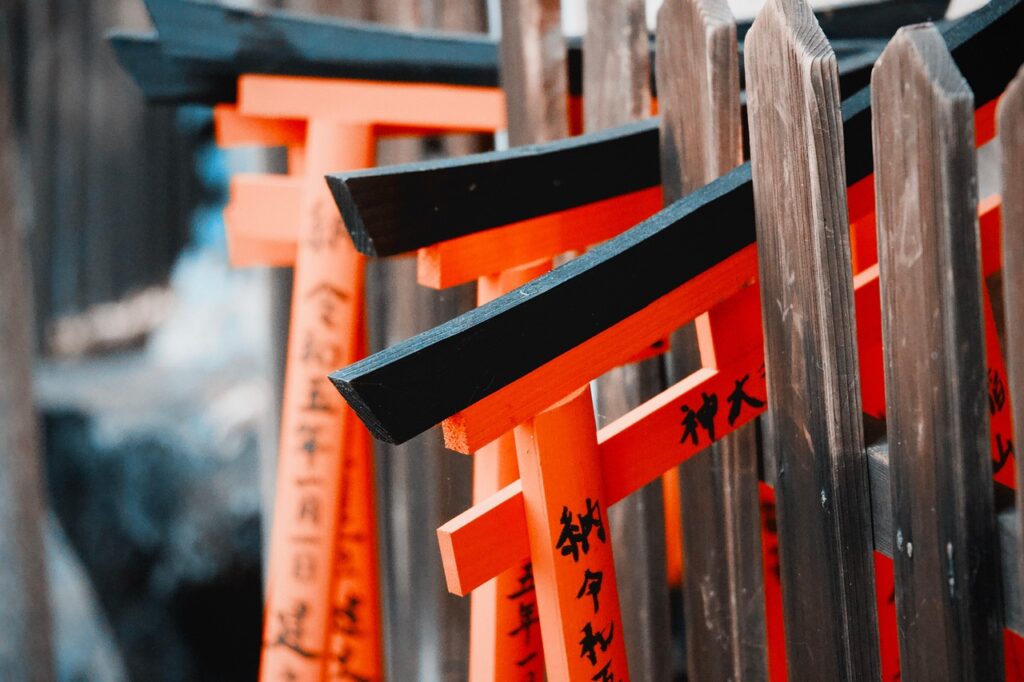
If you're picturing yourself fighting through selfie sticks at Fushimi Inari at sunrise, we need to talk. Kyoto is magnificent, but the Instagram-famous spots? They're packed. I've spent enough time wandering Kyoto's back alleys and quiet gardens to know where the real magic happens—and spoiler alert, it's not where the tour buses go.
Don't get me wrong. The famous temples are stunning. But Kyoto has so much more to offer if you're willing to venture slightly off the beaten path. The city rewards curious travelers with intimate experiences, incredible local food, and neighborhoods that actually feel like places where people live rather than open-air museums.
Kurama and Kibune: Mountain Escape with Minimal Crowds
Most visitors stick to central Kyoto, which means the northern mountains are practically yours. Kurama and Kibune are about 45 minutes from downtown by train, but they feel like stepping into a completely different world.
Kurama is home to Kurama-dera Temple, a 770-year-old mountain temple that sits about 500 meters above the town. The hike up takes maybe 45 minutes, and here's the thing—you'll likely have it mostly to yourself. The temple is genuinely spiritual, not commercialized. The wooden structures blend into the forest so naturally that you almost forget you're at a tourist site at all.
Kibune is right next door and offers something equally special: traditional kaiseki restaurants where your meal is served right on the water's edge. During summer, locals and adventurous tourists sit on wooden platforms suspended over the cool mountain stream. It's atmospheric without being touristy, and honestly more affordable than doing the same thing in central Kyoto.
Practical tip: Grab a JR pass if you're spending multiple days in Kyoto. Both towns are easily accessible, and you'll save money on regional transit.
Philosopher's Path and the Northeast Neighborhood
Everyone knows about Arashiyama's bamboo grove. But have you heard about Philosopher's Path? Probably not, which is exactly why you should go.
This two-kilometer walk follows a canal through the Higashiyama district, lined with cherry trees, small cafes, and historic temples that don't require reservation or crowds. The path is named after a philosophy professor who used to walk it daily. It feels less like sightseeing and more like you're actually living in Kyoto for an afternoon.
The beauty of starting here is that it connects you to the whole northeast neighborhood. Nanzen-ji Temple (which IS somewhat known) sits at the end of the path, but approaching it from Philosopher's Path feels completely different than arriving via the main tourist entrance. You've already absorbed the neighborhood's rhythm.
Branch off into the side streets around here. You'll find independent pottery shops, family-run ramen places, and tiny museums dedicated to specific crafts. This is where locals actually spend their time, which means the coffee is better, the prices are fairer, and everything tastes like an honest recommendation rather than a calculated tourist trap.
The Food-Focused Neighborhoods: Nishiki and Beyond
Nishiki Market gets plenty of attention—it's the famous "kitchen of Kyoto." But it's become so popular that it's honestly hard to move through it anymore. There's still good food there, but you're eating elbow-to-elbow with tour groups.
Instead, explore the residential food markets and neighborhoods like Demachi Masugata Shotengai. This covered shopping street near Kyoto University is where actual Kyoto residents buy groceries and eat lunch. You'll find family-owned sushi joints, tempura shops, and casual ramen spots that have been operating for decades. The food is excellent and costs a fraction of what you'd pay in the tourist districts.
For dinner, skip the ryokan experiences unless you've specifically booked ahead. Instead, find a small izakaya tucked into a backstreet. Order yakitori and sake, sit at the counter, and you'll have a better conversation with the chef and neighboring locals than you would at any formal dining experience.
Practical tip: Download Google Translate's camera feature before you arrive. Restaurant menus in neighborhood spots often aren't in English, but this makes ordering genuinely fun rather than stressful.
Timing Is Everything
Here's something nobody wants to hear: go to Kyoto in June or September. Spring and fall are beautiful, yes, but they're also when literally everyone visits. June is rainy and humid, which means fewer tourists and a completely different energy. The gardens are lush, the temples feel more meditative, and you can actually breathe in popular areas.
Same with September. It's hot and slightly uncomfortable, which naturally deters casual tourists. But if you can handle the heat, you get Kyoto back.
The Real Kyoto Is Waiting
The secret about Kyoto's hidden gems is that they're not really hidden—they're just less convenient than the obvious stops. They require a little more planning, a willingness to get slightly lost, and the patience to sit in a neighborhood for a few hours rather than rushing to the next photo opportunity.
Start planning a trip that prioritizes neighborhoods over individual attractions. Pick one small area, eat every meal there, chat with shop owners, and notice how the light changes throughout the day. That's when Kyoto stops being a bucket-list destination and becomes a place you actually understand.
What hidden spots have you discovered in Kyoto? Share your favorites in the comments—I'm always looking to add to my list.