
Best Street Food in Bangkok: A Local’s Guide
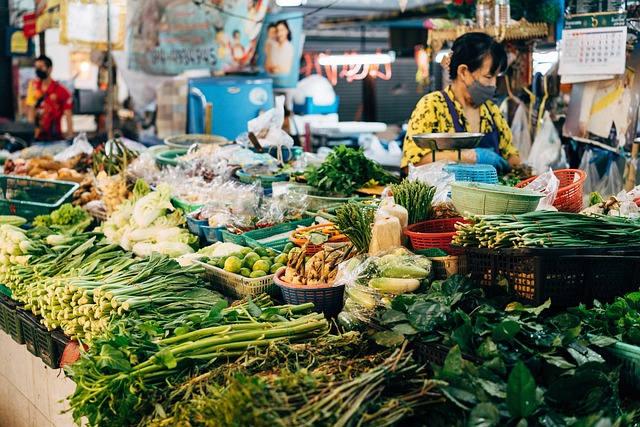
If you're planning a trip to Bangkok and you're not eating street food, you're honestly missing the soul of the city. I learned this the hard way on my first visit—I stuck to restaurants for three days and felt like I'd barely scratched the surface. Then a local friend dragged me to a night market, and everything changed.
Bangkok's street food scene isn't just about cheap eats (though it definitely is cheap). It's about watching skilled vendors who've perfected their craft over decades, tasting flavors that most restaurants can't replicate, and experiencing the real rhythm of how Bangkokians actually eat. Let me walk you through the stuff that's genuinely worth your time and taste buds.
Pad Thai From the Right Cart (And How to Find It)
Look, you're going to eat Pad Thai in Bangkok. The question is whether you'll eat it from a cart that's been running the same spot for 20 years or from a tourist-trap restaurant charging 5x the price for mediocre noodles.
The best Pad Thai I've had came from a vendor near Victory Monument—specifically a woman who's been there since 6am every morning for as long as anyone can remember. Her secret? She uses real tamarind paste (not bottled concentrate), fresh lime juice, and doesn't skimp on the shrimp. Most importantly, she cooks each plate to order on a massive wok, so you get that slight char and perfect texture.
What makes street Pad Thai different is the speed and heat. These vendors aren't fussing with plating—they're moving fast with proper high-heat cooking that you can't replicate at home. The noodles have this smoky quality that's addictive.
When you're hunting for good Pad Thai, look for carts with a line of local office workers during lunch hours, not groups of tourists. And here's a pro tip: eat it between 11am-2pm or 5pm-7pm when vendors are cooking fresh batches. Late-night Pad Thai tends to be sitting around.
Satay That'll Spoil You for Restaurant Versions
Satay—those grilled meat skewers with peanut sauce—are everywhere in Bangkok, but the difference between street satay and mediocre satay is genuinely shocking. The best comes down to three things: meat quality, grilling technique, and the peanut sauce.
I'm obsessed with the satay from a cart near Chatuchak Market that sources their chicken and pork fresh daily. The meat is marinated for hours in a blend of spices and coconut milk, then grilled over charcoal until the edges are slightly charred. What kills me is their peanut sauce—it's made with roasted peanuts, not peanut butter, and has this perfect balance of sweet, salty, and spicy that most restaurants mess up.
The thing about street satay is you're often eating it within minutes of it being grilled. That freshness matters way more than you'd think. The meat is juicy, the exterior has this wonderful texture, and when you dip it in fresh peanut sauce with a slice of cucumber and a piece of grilled bread, it's hard to imagine paying restaurant prices for the same thing.
Mango Sticky Rice (Yes, Really)
Mango sticky rice gets a reputation as a tourist dessert, which is funny because it's actually a cornerstone of Thai eating culture. The difference between street versions and restaurant versions often comes down to coconut milk quality and rice preparation.
The best I've found comes from a dessert vendor who operates from the same spot in Silom every evening. She makes her sticky rice fresh throughout the day, and the coconut milk she uses is clearly top-tier—creamy without tasting heavy. The mango is always at that perfect sweet spot: ripe but still firm enough to slice cleanly.
What's wild is that this dessert, done right, costs less than a coffee at a Western café. The vendor spends maybe 30 seconds assembling it—sliced mango arranged on sticky rice, coconut sauce drizzled over, roasted sesame seeds sprinkled on top. Simple, but executed with real care.
Getting the Most Out of Bangkok Street Food
Here's what I wish I'd known starting out:
Bring cash and small bills. Most street vendors don't take cards, and they often can't break large notes. Having 20 and 100 baht bills makes the whole experience smoother.
Eat where locals eat, at local times. Tourist-friendly street food areas have mediocre food and inflated prices. Real vendors serve real people during real mealtimes. Lunch spots are packed 11am-2pm, dinner spots 5pm-8pm. Adjust your schedule accordingly.
Don't overthink the safety question. Street food in Bangkok is genuinely safe if you use basic sense—watch the vendor cook, make sure it's hot, and choose busy stalls with high turnover. Thousands of locals eat this daily without issue.
Bangkok's street food scene is one of those rare things that actually lives up to the hype. It's not just good food at good prices—it's an entire culture wrapped up in noodles, satay, and mango sticky rice. Next time you're in the city, skip the fancy restaurant and find a cart with a line. You'll eat better and spend less money.
Where are you planning to explore in Bangkok? Drop a comment if you want specific neighborhood recommendations.